Cervical Cancer Biomarkers For Diagnosis And Treatment - Biomarkers Of Tumor Invasiveness In Proteomics Review : Surgery, radiation, chemotherapy or a combination of the three may be used.. Once the diagnosis of cancer is made, biomarker testing can begin. Cervical cancer in early stages is overwhelmingly likely to be cured through a combined. However, there is still no specific biomarkers for the diagnosis and detection of cervical cancer prognosis. Current diagnosis of cervical cancer depends on colposcopy, pathological diagnosis and preoperative diagnosis using methods, including magnetic resonance imaging and computed tomography. Cervical cancer (cc) is the most common cancer in women worldwide and is almost always associated with repeated infections by human papillomavirus (hpv).
Cervical cancer is now a preventable disease and any woman presenting with invasive cervical cancer should be viewed as a failure of screening. Cervical cancer is the fourth most prevalent malignancy in females worldwide. After a cancer diagnosis, staging provides important information about the extent of cancer in the body, the best treatment plan for the cancer, and the anticipated response to treatment. Current diagnosis of cervical cancer depends on colposcopy, pathological diagnosis and preoperative diagnosis using methods, including magnetic resonance imaging and computed tomography. This review will focus on the molecular mechanisms underlying the aberrant splicing events in cervical cancer that may serve as potential biomarkers for diagnosis, prognosis, and novel drug.
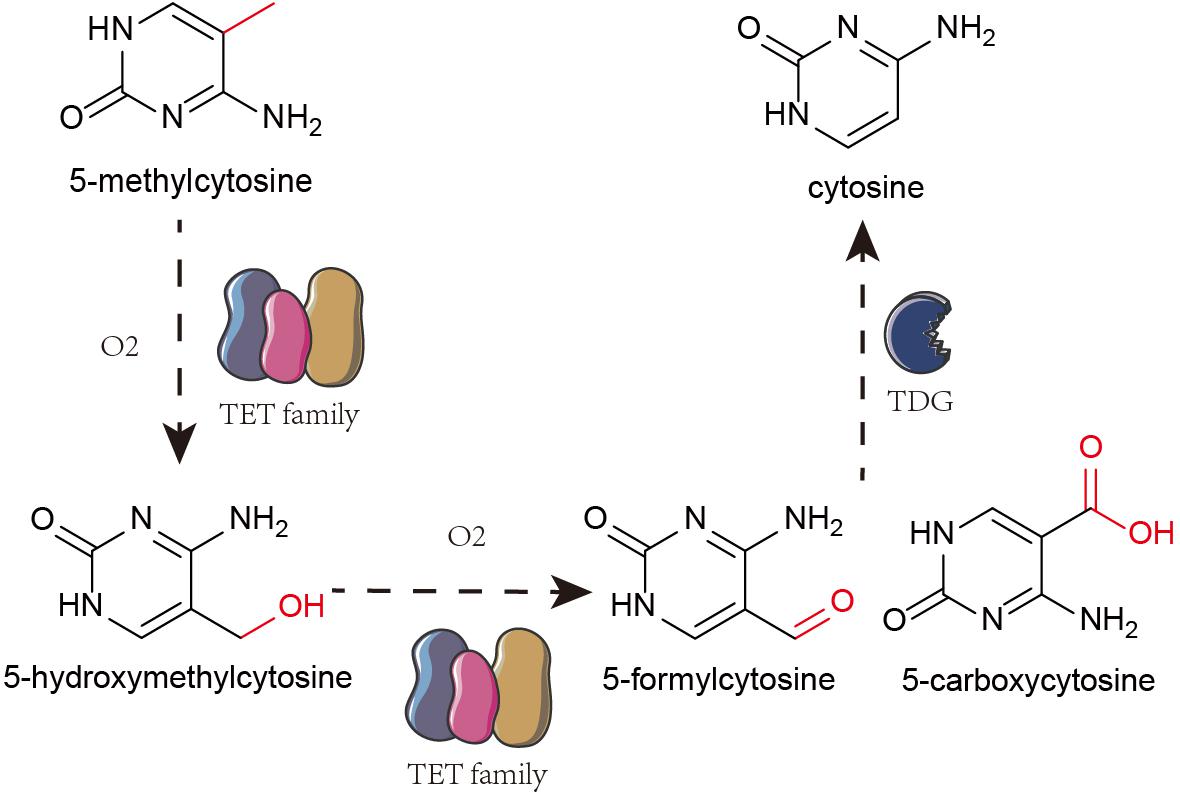
Frontiers Dna Methylation And Hydroxymethylation In Cervical Cancer Diagnosis Prognosis And Treatment Genetics from www.frontiersin.org Cervical cancer happens when the cells of your cervix change. Cervical cancer (cc) is the most common cancer in women worldwide and is almost always associated with repeated infections by human papillomavirus (hpv). Cervical cancer is now a preventable disease and any woman presenting with invasive cervical cancer should be viewed as a failure of screening. The present review summarizes the latest in vitro and in vivo … Cancer biomarkers are crucial to discovering and developing novel cancer therapeutics. Early diagnosis and early treatment can reduce the mortality rate of cervical cancer. Among various prognostic, diagnostic, and therapeutic biomarkers, mirna have been emerged as powerful biomarkers for detection, treatment, and monitoring of response to therapy in cervical cancer. Current diagnosis of cervical cancer depends on colposcopy, pathological diagnosis and preoperative diagnosis using methods, including magnetic resonance imaging and computed tomography.
Cervical cancer is a tumor with the second highest morbidity and mortality in the world, and it is also the most common cancer and the eighth lethal factor among malignant tumors in chinese female.
This treatment kills the cancer cells by freezing them. With the availability of new technologies researchers have increased their efforts to develop novel biomarkers for early diagnosis, and evaluation and monitoring of therapeutic treatments. However, there is still no specific biomarkers for the diagnosis and detection of cervical cancer prognosis. Cervical cancer is one of the leading causes of death in women worldwide, with 12,990 new cases and 4120 cancer deaths reported in the united states in 2016. Early diagnosis is key to improving survival rates. Taken together, many studies showed that a variety of biomarkers including, several proteins, mrnas, micrornas, exosomes and polymorphisms might be introduced as prognostic, diagnostic and therapeutic biomarkers in cervical cancer therapy. Cervical cancer prevention and screening: Cervical cancer is a tumor with the second highest morbidity and mortality in the world, and it is also the most common cancer and the eighth lethal factor among malignant tumors in chinese female. Cancer biomarkers are crucial to discovering and developing novel cancer therapeutics. Your feelings about the treatment and the side effects that come with it. Cervical carcinoma is one of the most common malignant gynecological tumors and is associated with high rates of morbidity and mortality. These include epigenetic biomarkers, with the methylation level of the checkpoint with forkhead and ring finger gene being potentially useful for predicting the malignancy of cervical cancer and sensitivity to treatment with paclitaxel. With the availability of new technologies researchers have increased their efforts to develop novel biomarkers for early diagnosis, and evaluation and monitoring of therapeutic treatments.
Despite several efforts, finding and developing new biomarkers for cervical cancer diagnosis are required. Learn more about the causes, symptoms, diagnosis, treatment, prevention, and outlook. Early diagnosis is key to improving survival rates. Cancer biomarkers are crucial to discovering and developing novel cancer therapeutics. Once the diagnosis of cancer is made, biomarker testing can begin.
Is Age A Prognostic Biomarker For Survival Among Women With Locally Advanced Cervical Cancer Treated With Chemoradiation An Nrg Oncology Gynecologic Oncology Group Ancillary Data Analysis Gynecologic Oncology from els-jbs-prod-cdn.jbs.elsevierhealth.com Survival rates for cervical cancer. This study aimed to identify long noncoding rnas (lncrnas) that related to diagnosis and prognosis in cervical cancer to improve early diagnosis and. The cancer might invade other tissues and organs. Cervical carcinoma is one of the most common malignant gynecological tumors and is associated with high rates of morbidity and mortality. Your feelings about the treatment and the side effects that come with it. Among various prognostic, diagnostic, and therapeutic biomarkers, mirna have been emerged as powerful biomarkers for detection, treatment, and monitoring of response to therapy in cervical cancer. Proteomics approaches have been used in order to understand the hpv virus correlation to cervical cancer pathology, as well as to discover putative biomarkers for early cervical cancer diagnosis and drug mode of action. Financial issues screening tests for cervical cancer diagnosis and planning treatment after a cancer diagnosis, staging provides important information€about the extent of cancer in the body, the best treatment plan for the cancer, and the anticipated response to treatment.
Taken together, many studies showed that a variety of biomarkers including, several proteins, mrnas, micrornas, exosomes and polymorphisms might be introduced as prognostic, diagnostic and therapeutic biomarkers in cervical cancer therapy.
Financial issues screening tests for cervical cancer diagnosis and planning treatment after a cancer diagnosis, staging provides important information€about the extent of cancer in the body, the best treatment plan for the cancer, and the anticipated response to treatment. Cervical cancer (cc) is the most common cancer in women worldwide and is almost always associated with repeated infections by human papillomavirus (hpv). However, there is still no specific biomarkers for the diagnosis and detection of cervical cancer prognosis. Current diagnosis of cervical cancer depends on colposcopy, pathological diagnosis and preoperative diagnosis using methods, including magnetic resonance imaging and computed tomography. Early diagnosis is key to improving survival rates. Most women with cervical cancer have some type of surgery. Cervical cancer arises from cells localized in the ectoendocervical squamocolumnar junction of the cervix persistently infected with one of about 13 human papillomavirus (hpv) genotypes. Referring to the recent advances in the treatment of refractory cervical cancer, sclc, mcc, etc. Once the diagnosis of cancer is made, biomarker testing can begin. Other health problems you have; The chance that a type if treatment will cure the cancer or help in some way. Learn more about the causes, symptoms, diagnosis, treatment, prevention, and outlook. This review will focus on the molecular mechanisms underlying the aberrant splicing events in cervical cancer that may serve as potential biomarkers for diagnosis, prognosis, and novel drug.
Cervical cancer screening is slowly transitioning from pappanicolaou cytologic screening to primary visual inspection with acetic acid (via) or hpv testing as an effort to enhance early detection and treatment. Cervical cancer ranks high among the causes of female cancer mortalities and is an important disease in developing and developed countries. However, there is still no specific biomarkers for the diagnosis and detection of cervical cancer prognosis. With the availability of new technologies researchers have increased their efforts to develop novel biomarkers for early diagnosis, and evaluation and monitoring of therapeutic treatments. These include epigenetic biomarkers, with the methylation level of the checkpoint with forkhead and ring finger gene being potentially useful for predicting the malignancy of cervical cancer and sensitivity to treatment with paclitaxel.
Cervical Cancer Biomarkers For Diagnosis And Treatment Sciencedirect from ars.els-cdn.com With the availability of new technologies researchers have increased their efforts to develop novel biomarkers for early diagnosis, and evaluation and monitoring of therapeutic treatments. Proteomics approaches have been used in order to understand the hpv virus correlation to cervical cancer pathology, as well as to discover putative biomarkers for early cervical cancer diagnosis and drug mode of action. Early diagnosis and early treatment can reduce the mortality rate of cervical cancer. Despite several efforts, finding and developing new biomarkers for cervical cancer diagnosis are required. The chance that a type if treatment will cure the cancer or help in some way. Learn more about the causes, symptoms, diagnosis, treatment, prevention, and outlook. The majority of hpv infections induces low grade squamous epithelial lesions that in more than 90% of cases spontaneously regress and in about 10% eventually progress to high grade lesions and even less. Cervical cancer is now a preventable disease and any woman presenting with invasive cervical cancer should be viewed as a failure of screening.
These include epigenetic biomarkers, with the methylation level of the checkpoint with forkhead and ring finger gene being potentially useful for predicting the malignancy of cervical cancer and sensitivity to treatment with paclitaxel.
Cervical carcinoma is one of the most common malignant gynecological tumors and is associated with high rates of morbidity and mortality. Cervical cancer is a tumor with the second highest morbidity and mortality in the world, and it is also the most common cancer and the eighth lethal factor among malignant tumors in chinese female. Among various prognostic, diagnostic, and therapeutic biomarkers, mirna have been emerged as powerful biomarkers for detection, treatment, and monitoring of response to therapy in cervical cancer. Molecular biomarkers are an important method for diagnosing a number of types of cancer, including cervical cancer. Your feelings about the treatment and the side effects that come with it. Cervical cancer in early stages is overwhelmingly likely to be cured through a combined. The present review summarizes the latest in vitro and in vivo … Cervical cancer is a major gynecological cancer which involves uncontrolled cell division and tissue invasiveness of the female uterine cervix. Treatment for cervical cancer depends on several factors, such as the stage of the cancer, other health problems you may have and your preferences. Despite several efforts, finding and developing new biomarkers for cervical cancer diagnosis are required. The chance that a type if treatment will cure the cancer or help in some way. This study aimed to identify long noncoding rnas (lncrnas) that related to diagnosis and prognosis in cervical cancer to improve early diagnosis and. These include epigenetic biomarkers, with the methylation level of the checkpoint with forkhead and ring finger gene being potentially useful for predicting the malignancy of cervical cancer and sensitivity to treatment with paclitaxel.